
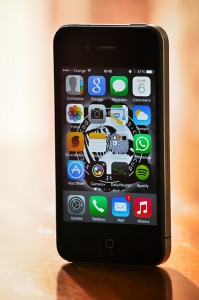
 Once again the advances of technology are presenting decisions that need to be made by businesses. Mobile technology, with its expanding use of tablets and smartphones for the consumer, is finding its way into the workplace. With the technology comes a number of issues; security of company data, security of the employee’s device, and company policy for the use of mobile devices in the workplace. These are decisions that have connections to productivity and employee satisfaction.
Controversy From The Start
One of the more controversial issues with mobile technology in the company is whether employees should be able to have their own mobile devices at work in the first place. The current acronym for this policy is BYOD (Bring Your Own Device). Most companies allow smartphones to be brought into the workplace, but the capabilities of the device can be limited through the company’s network infrastructure. Another vein of thought on the BYOD issue is whether employees can bring their own devices that will help them be more productive. Since employees already have purchased their own mobile device, the cost to the company is zero.
A concern for management is whether freely allowing mobile devices to be introduced into the company may reduce productivity. This is because with the vast interest in social media and the recreational use of the Internet, employees may spend more time being less productive. This is not a scenario where an employee spends hours on Facebook. What can go unnoticed by both the employee and management are the few minutes spent 25 times a day checking email or visiting Facebook. Blocking access to select sites seems to be counterproductive, since the purpose of allowing the mobile device into the workplace to begin with will generally be promoted as a company benefit.
Securing The Freedom
If there is one characteristic of advances in technology it is giving the user a wide variety of options to customize their device and user experience. This can play havoc with trying to coordinate network efforts to manage both the devices and the access to company data. This presents a dilemma for the company, as was the case in issuing company laptops in days gone by. The company would pick up the expense of the device and lock it down from the viewpoint of security, making it virtually unusable for anything other than company business. The technology lagged behind because updates required the IT department to install them, while any requests for modifying or upgrading the hardware configurations was time and money questionably spent.
Mobile devices are both more technologically nimble and more susceptible to hacking and malware. The problem does not lie with the user as much as with the operating system of the device. Some systems are more secure and stable than others, but allowing only certain mobile devices in the workplace will create more problems than solutions.
Walking A Secure Line
The willingness to introduce mobile devices into your business can be a huge positive for both morale and productivity. In order to accomplish this with a minimum of problems, across the board standards need to be set so there is no ambiguity regarding the types or operating systems involved. Also, one possible security solution is to provide malware and anti-virus protection for the devices at no cost to the employees.
When it comes to using a mobile device for productivity, devices should be preapproved and limited access be granted except in situations where the most essential work functions require more comprehensive access. All mobile communications need to be monitored by the IT department, and irregularities need to be promptly brought to the attention of management.
There will be more issues that rise up as the use of mobile devices in the workplace increases. As previous lessons in using technology have taught us, you can never be too secure. Finding a middle ground between lock down and unfettered access is key to creating an effective mobile working environment which benefits both employee and employer.

